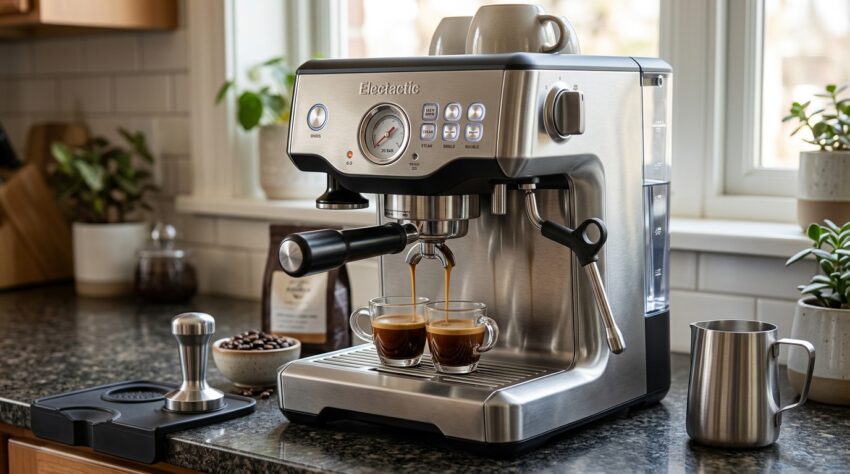
Home espresso has moved well beyond specialty cafés. Many people now want to make milk-based drinks in their own kitchens or home offices, and they want the process to be simple enough to fit into a weekday routine. Compact machines that combine espresso brewing, milk steaming, and sometimes cold-water brewing have become a common answer to that demand. The Electactic Espresso Machine with Cold Brew is one example of this category. This article explains its general features, the ways people commonly use it, the kinds of users it may suit, and the practical points worth weighing before you decide whether it fits your needs.
Understanding the Category
An espresso machine of this type uses a pump to push heated water through a compact bed of finely ground coffee. The pressure, usually described as around 15 to 20 bar in home equipment, helps extract the concentrated coffee that forms the base of espresso, lattes, and cappuccinos. Machines in this range differ in how much control they give the user. Some leave grinding, dosing, and steam timing largely to the operator. Others add features such as built-in grinders, digital displays, or preset brewing modes.
The Electactic model sits in the compact, semi-automatic group, with a stainless steel body, a steam wand for milk, a removable water tank, and a cold-brew option. Because product listings for Electactic machines vary in size, tank capacity, and included features, the specific details of any one listing should be confirmed on its product page. The sections below describe the features commonly referenced across the product information.
Key Features
A 20-Bar Pump
The machine is described with a 20-bar pump. Pump pressure is one of the figures most often cited when people compare home espresso machines. Twenty bar is a widely used specification in home equipment and is generally considered sufficient for extracting espresso from a properly prepared puck. Pressure alone, however, does not determine flavor. Grind size, dose, tamping, water temperature, and coffee freshness all play significant roles. Think of pressure as one part of a system rather than a guarantee of a particular result.
Steam Wand for Milk
The steam wand is designed to heat and aerate milk, producing foam for cappuccinos, lattes, and similar drinks. Manufacturer descriptions for this type of machine often describe producing microfoam, which is the fine, glossy texture preferred for latte art and smooth drinks. Milk texture depends on several factors: the temperature of the milk, the position of the wand, the depth of the pitcher, and the amount of practice the user has. Cold milk gives you more working time, and many people find whole milk easier to texture than skim, although barista-formulated plant-based milks can also produce good foam.
Cold Brew and Hot Brew Options
The title highlights a cold-brew function, and the product information describes the ability to switch between hot espresso and iced coffee. The exact method works differently from traditional cold brew, which typically involves steeping coarse grounds in cold water for many hours. An espresso machine’s cold option generally runs water through the same coffee system, which produces a faster, more concentrated result. Those who enjoy the smooth, low-acid character of steeped cold brew may find the machine’s version different, but it can still offer a convenient iced coffee option. Listings also note that the final temperature of the drink depends on the water you add, so hot water produces a hot drink and cold water or ice produces an iced one.
Removable Water Tank
The removable tank makes refilling easier and simplifies cleaning. Tank capacities across Electactic listings vary, and one description references a 1.5-liter tank. A larger tank reduces the frequency of refills during a busy morning, while a smaller tank keeps the footprint lower. Check the capacity listed on the specific product you are considering, since this detail varies between models.
Cup Warmer and Drip Tray
The product information mentions a cup warmer, which provides a heated surface to keep cups warm before serving. Warm cups help espresso retain its temperature longer, which many people appreciate when they serve drinks slowly or make several in a row. The removable drip tray catches spills and excess liquid, and emptying it regularly keeps the countertop tidy.
LED Display
Some listings describe a digital display that shows brewing information such as time, pressure, and temperature, along with one-touch icons for selecting single or double cup brewing. A display can make the machine easier to operate, especially for users who are new to espresso. It also provides a simple way to keep track of brewing settings.
Auto Sleep Mode
One listing mentions an automatic sleep mode that activates after 25 minutes of inactivity, turning off the indicator light and power until a button is pressed. Sleep modes can reduce energy use and help prevent the machine from being left running by accident. Like other features, the exact timing may vary by model.
Compact Dimensions
According to one listing, the machine measures roughly 15 inches in one dimension, 11 inches in another, and 15 inches in height, with a weight of about 12.6 pounds. Dimensions differ across Electactic models, so comparing the listed measurements with your available space is a good habit. Remember to allow room for the portafilter, cups, and water tank, and check that cabinets or shelves above the machine provide enough clearance.
Stainless Steel Finish
The stainless steel exterior is durable and easy to wipe clean. It also suits many kitchen and office styles. Stainless steel is a common material in espresso equipment, and cleaning the surface with a soft, damp cloth after use keeps it looking its best.
How It Can Be Used
Making Espresso
The basic use is brewing espresso. A typical process involves measuring and grinding fresh coffee, placing it in the portafilter, tamping it evenly, locking the portafilter into place, and starting the shot. Many people compare the flow and timing of the shot against the cup they want, then adjust grind size or dose to improve the result on the next attempt.
Preparing Cappuccinos and Lattes
For milk-based drinks, the usual approach is to brew espresso first, then steam cold milk with the wand until it reaches a comfortable temperature and develops a smooth texture. A cappuccino typically has a thicker layer of foam, while a latte uses more steamed milk with a thinner foam layer. Practicing the pouring motion helps you achieve a consistent drink.
Making Iced Coffee
The cold-brew setting can be used for iced coffee. Fill the tank with cold water or add ice to the serving cup, depending on the instructions for the model you have, and brew according to the machine’s guidance. Iced drinks are a useful option during warm weather or for anyone who prefers cold coffee.
Brewing for an Office
The product description highlights suitability for homes and offices. In an office setting, a compact machine can provide a simple option for small teams or shared spaces. Clear cleaning routines and a designated spot for cups and supplies help keep the area organized.
Hosting Friends or Family
A home espresso machine can add a relaxed touch to gatherings. Brewing a few drinks in sequence can be part of the fun, especially if guests want to choose between hot and iced options. Setting up cups, milk, sweeteners, and syrups in advance makes the process smoother.
Building a Daily Routine
Some people use an espresso maker as part of their morning routine, enjoying the steps of grinding, brewing, and steaming. The machine’s sleep mode and removable parts can make daily use more manageable, though the time required will depend on how many steps you include.
Who It May Be Suitable For
This type of machine can be a good match for several kinds of users.
People who are new to espresso may appreciate a compact unit that introduces the basic workflow of grinding, dosing, and extraction without requiring professional-level equipment.
Households or offices with limited counter space may value a machine with a modest footprint. A slim or compact body can make it easier to fit beside other appliances.
Those who enjoy both hot and iced coffee may appreciate the option to switch between them with one machine.
People who like milk-based drinks but do not want to buy a separate milk frother may find the built-in steam wand convenient.
Users who prefer brewing with ground coffee rather than pods may appreciate the control it offers over flavor, roast, and grind.
If you need to produce large volumes of drinks quickly, such as for a busy café or a large office, a commercial machine would be better suited to that demand.
Important Things to Consider
The Learning Curve
Semi-automatic machines require practice. Early shots may taste sour, bitter, or weak, and milk may not texture the way you expect. These results are common, and most users improve by adjusting one variable at a time and recording what they change. Patience makes the process more enjoyable.
Grinder and Coffee Quality
Espresso depends heavily on the consistency of the grind. If you use a machine without a built-in grinder, you will need a quality burr grinder for best results. Some models in the Electactic lineup include a built-in grinder, which can simplify the process, but the quality and adjustability of any grinder should be reviewed on the specific listing. Fresh coffee generally performs better than stale coffee, so buying in smaller quantities and storing beans in airtight containers away from heat and light is a practical habit.
Cold Brew Expectations
The machine’s cold option is a convenient way to make iced coffee, but it is not the same as traditional cold brew steeped over many hours. If you have a strong preference for steeped cold brew, you may want to understand the difference before buying. Some people use the machine’s cold option for quick iced drinks and prepare steeped cold brew separately.
Milk Steaming Technique
Steam wands require regular cleaning. Wiping the wand after each use and purging it briefly before and after steaming helps prevent milk residue from building up and affecting performance. Following the manufacturer’s instructions for cleaning the wand is important for both hygiene and results.
Water Quality and Descaling
Hard water can leave mineral deposits inside any machine that heats water. Filtered or softened water can help reduce buildup. Descaling at the intervals recommended by the manufacturer keeps the machine functioning properly and helps maintain the taste of your drinks.
Noise
Steam wands can be loud during operation, and some users find the sound more noticeable than expected. If the machine will be used in a quiet office or a shared living space, consider how it will sound during milk steaming.
Model Variations
The Electactic name appears across several listings with different features, tank sizes, and included accessories. Some listings describe a built-in grinder, while others describe a machine without one. Tank capacities, dimensions, and special features also vary. Reviewing the exact model number and listing details before purchase is the most reliable way to know what you are getting.
Cleaning and Maintenance
Regular cleaning includes emptying the drip tray, rinsing the removable tank, wiping the steam wand, and cleaning the portafilter and filter baskets. Following a consistent routine keeps the machine hygienic and extends its useful life.
Electrical and Setup Requirements
Confirm that the machine’s voltage and plug type match the power supply in your area. Place the machine on a stable, level surface with access to a nearby outlet and enough space for ventilation. If you are unsure about electrical requirements, consult a qualified electrician.
Warranty and Support
Warranty terms and customer support depend on the seller and region. Review the warranty information on the product page and keep proof of purchase in case you need assistance later.
Realistic Expectations
Home espresso can be deeply satisfying, but results will vary. A café’s espresso may reflect commercial equipment, professional training, and carefully selected beans. Approaching home brewing as a skill you develop over time tends to lead to a more enjoyable experience.
Comparing General Categories
Choosing an espresso setup often comes down to selecting the right category rather than a specific brand. Each category suits different priorities.
Pod and capsule machines offer speed and consistency with minimal preparation. They tend to be easy to use, but they limit control over flavor and often cost more per cup. Some people also weigh the environmental impact of single-use capsules.
Fully automatic machines grind, dose, brew, and sometimes steam milk with the press of a button. They prioritize convenience and repeatability, but they usually cost more and offer less hands-on involvement.
Semi-automatic machines, including many compact models in this category, give the user control over grind, dose, and milk texture while handling pressure and water delivery. They are a common choice for people who want to learn espresso fundamentals.
Manual lever machines require the user to generate pressure by hand. They provide a high level of control and a strong connection to the craft, though they demand more physical effort and skill.
Commercial machines are built for high-volume use, with greater durability and more advanced controls. They are typically larger and more expensive than home models.
For many home users, a compact semi-automatic machine offers a practical balance between control, convenience, and footprint.
Frequently Asked Questions
Does this machine include a grinder?
Some Electactic models include a built-in grinder, while others do not. Check the specific listing you are considering, since the presence and quality of a grinder vary by model.
Can it make cold brew?
The machine includes a cold-brew option that uses cold water to make iced coffee. This method differs from traditional steeped cold brew, which takes many hours.
Can I make hot and iced drinks with the same machine?
According to the product information, yes. The temperature of the final drink depends on the water you use, so hot water produces hot coffee and cold water or ice produces iced coffee.
Is the steam wand suitable for plant-based milk?
Many plant-based milks can be steamed, though results vary by product. Barista-formulated versions are often recommended for foaming. Testing small amounts first is a sensible approach.
How big is the water tank?
Tank capacities vary across listings. One description references a 1.5-liter tank. Confirm the capacity on the product page for the exact model you are considering.
Will it turn off on its own?
Some listings describe an auto sleep mode that activates after 25 minutes of inactivity. Confirm this feature on the specific model.
How often should I clean it?
Wipe the steam wand after every use, empty and rinse the drip tray regularly, and clean removable parts as directed. Follow the manufacturer’s guidance for descaling.
Is it difficult to learn?
It takes practice, but many people become comfortable with the basics within a few weeks of regular use. Recording your grind size, dose, and timing can speed up progress.
Can it be used in an office?
The product description references use in homes and offices. Consider noise levels, counter space, and a cleaning routine for shared environments.
Conclusion
The Electactic Espresso Machine with Cold Brew offers a compact option for people who want to make espresso, milk-based drinks, and iced coffee at home or in the office. Its 20-bar pump, steam wand, removable tank, and cold-brew function cover a range of common needs, while the variations across Electactic models mean that careful reading of the specific listing is important. As with any espresso equipment, the quality of your results will depend on your coffee, grinder, technique, and willingness to practice. Comparing specifications, confirming what is included, and thinking about your daily routine can help you decide whether this type of machine suits you.